
Platinum vs Palladium: What Investors Should Know in 2025
For investors looking to diversify beyond gold and silver, platinum and palladium offer a fascinating, and often overlooked, opportunity. Both are part of the platinum-group metals (PGMs), prized for their rarity, industrial importance, and potential to hold long-term value. Although they may look alike, these two metals behave very differently in the market. Understanding those differences can help investors make informed decisions without needing to choose one “winner.”
1. What Are Platinum and Palladium?
Platinum and palladium belong to a family of six metals known as the Platinum-Group Metals (PGMs), which also include rhodium, ruthenium, iridium, and osmium. All are dense, corrosion-resistant, and highly conductive, making them indispensable to modern industry.
Both platinum and palladium derive much of their value from industrial applications rather than from safe-haven demand. Yet, like gold and silver, they are traded on global exchanges, minted into coins and bars, and recognised as precious metals, not rare earth elements.
Their combination of scarcity, industrial necessity, and investment appeal gives them a unique dual identity: both commodity and store of value.
2. Where PGMs Come From and Why It Matters

One of the most defining features of platinum and palladium is where they’re mined.
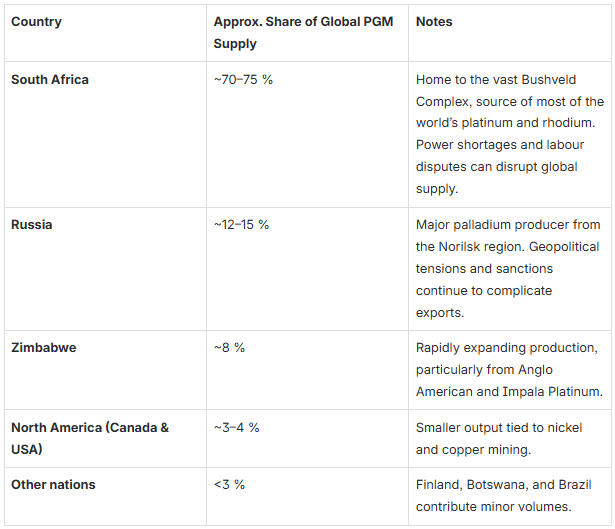
The geographic concentration of production, with two countries controlling nearly 90 % of supply, makes PGMs particularly sensitive to geopolitical events, power interruptions, and trade sanctions. This supply risk adds a layer of volatility to both metals but also underlines their strategic importance to industry and investors alike.
3. Physical and Industrial Properties

Both metals are critical to modern manufacturing because of their stability and catalytic properties.
Similarities
- Extremely rare: the annual platinum supply is roughly one-tenth that of gold.
- Resistant to corrosion and high heat.
- Essential catalysts in pollution-control, electronics, and chemical industries.
Key Differences
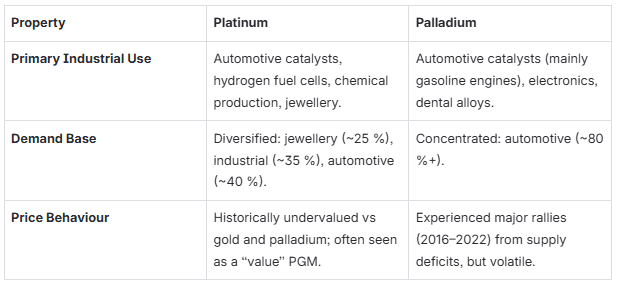
Both are much rarer than gold or silver. All the platinum ever mined could fit into an average garage, and palladium is estimated to be about 30 times rarer than gold in the Earth’s crust.
4. Market Behaviour and Volatility
- Platinum prices surged over 40 % year-to-date in 2025, hitting highs near US $1,400/oz, driven by tight supply and substitution demand from automakers switching away from palladium.
- Palladium, once the star performer (up more than 400 % between 2016 and 2022), has been more volatile, showing smaller 2025 gains (~30–35 %) amid signs of an easing supply deficit.
Why So Volatile?
- Concentrated supply: Few producers, vulnerable to political and logistical shocks.
- Industrial dependency: Demand tied to specific sectors, especially vehicles.
- Investor sentiment: PGMs have relatively small markets, so capital inflows or outflows can move prices sharply.
Analysts at Reuters note that platinum’s broader industrial base gives it “a more balanced long-term outlook,” while palladium’s “narrower demand profile leaves it more exposed to technological shifts.”
5. Investment Profiles: Comparing Platinum and Palladium
When viewed through an investment lens, the two metals cater to slightly different investor profiles.
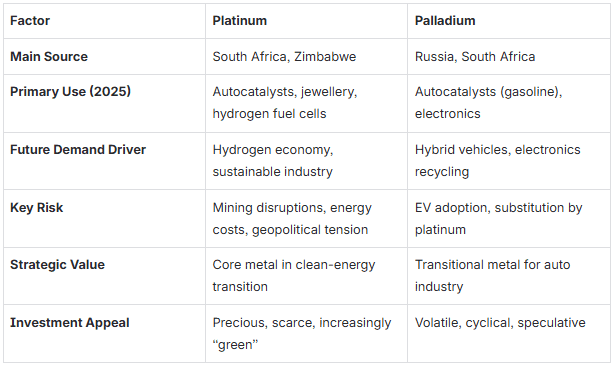
For those seeking a balanced industrial metal with long-term sustainability potential, platinum may seem more stable. For investors willing to tolerate volatility in exchange for potential price spikes, palladium remains a high-beta industrial play.
6. Not Rare Earths, But Rare and Strategic
Although PGMs are sometimes grouped with “rare earths” in media headlines, they are not part of that family of elements. The confusion arises because both groups are essential to advanced technologies and difficult to substitute.
- PGMs = Precious metals, traded on commodities exchanges, used in catalysts, jewellery, and green technologies.
- Rare earths = Industrial minerals, used mainly in magnets, batteries, and electronics.
The crucial point for investors: PGMs’ scarcity and industrial necessity mean they are likely to retain intrinsic value long after their main automotive role fades.
7. The Energy Transition: What Happens as EVs Take Over?
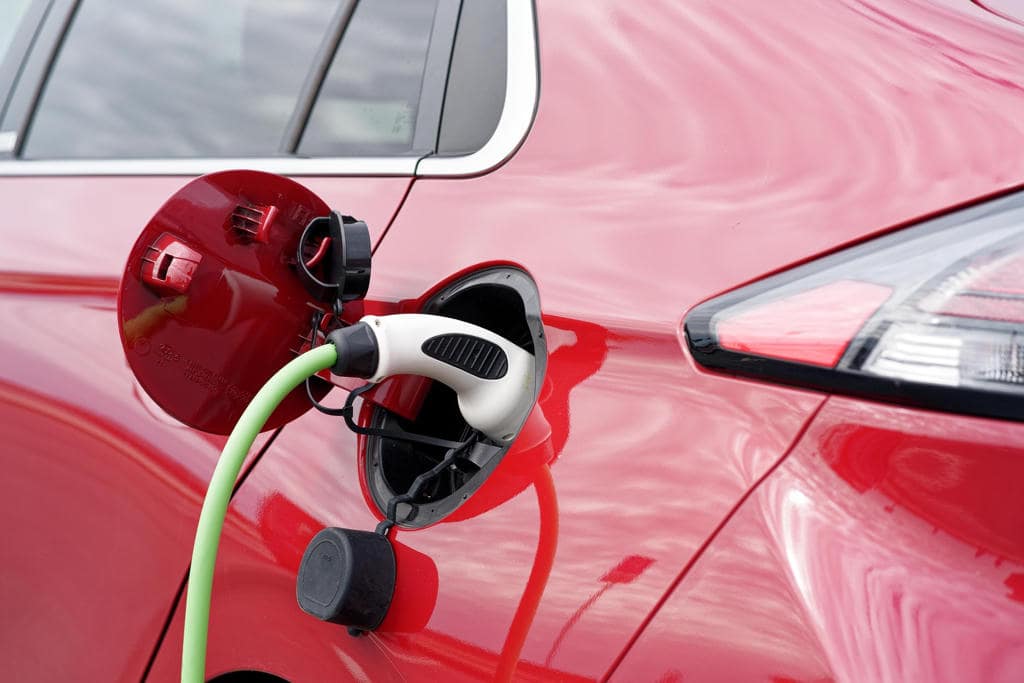
One of the biggest questions facing both metals is what happens when electric vehicles (EVs) replace internal-combustion engines (ICEs), currently their largest source of demand.
Short to Medium Term (2025–2030)
- The global car fleet will remain majority-ICE or hybrid through the decade. Hybrids still use catalytic converters, supporting ongoing PGM demand.
- Automakers are substituting platinum for palladium in gasoline engines, stabilising platinum consumption.
- Recycling of used catalytic converters is increasing, easing pressure on new supply.
Long Term (post-2030)
- As EV penetration rises, palladium demand is expected to decline sharply.
- Platinum could maintain or even grow demand thanks to its emerging role in hydrogen fuel cells, electrolysers, and industrial decarbonisation processes.
8. PGMs and the Future of Sustainable Technology
Platinum and its sister metals are transitioning from cleaning emissions to enabling clean energy.
Hydrogen Economy
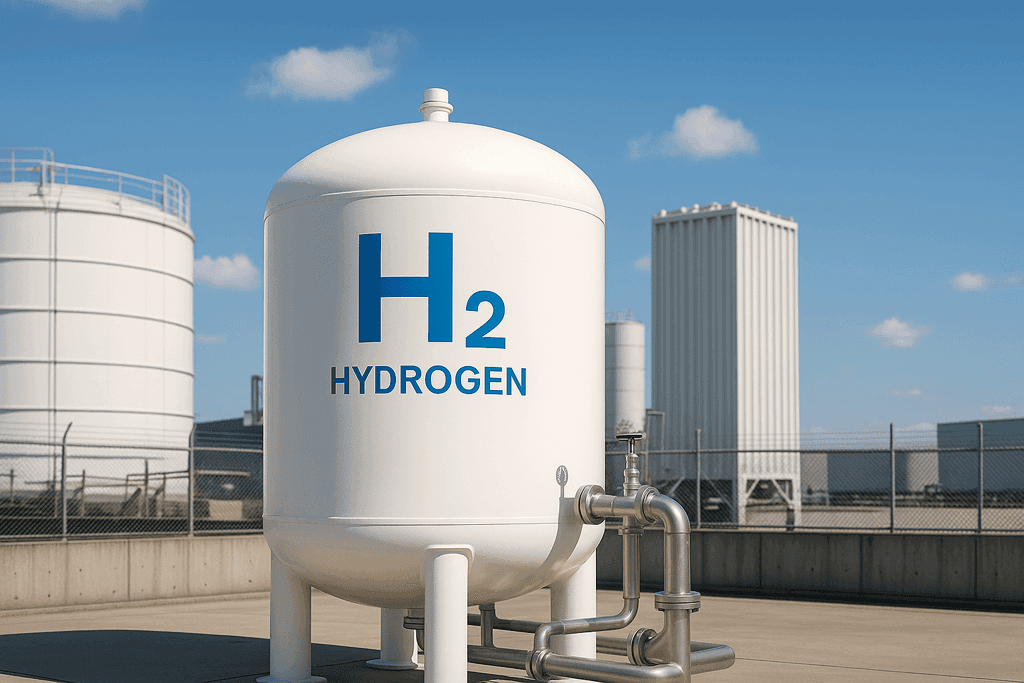
- Platinum is a key catalyst in hydrogen fuel cells, powering vehicles and industrial systems with zero emissions.
- Iridium (another PGM) is critical for water electrolysers that produce green hydrogen.
- The World Platinum Investment Council forecasts that hydrogen-related platinum demand could grow 25–30 % annually through 2030.
Other Emerging Uses
- Energy storage and carbon capture: PGMs are being tested for advanced batteries and pollution-control systems.
- AI-linked applications: Palladium and platinum are used in semiconductor plating, sensor components, and data-centre hardware, underpinning the physical infrastructure of AI technology.
- Industrial catalysts: Continued use in fertilizer, chemical, and petroleum refining, all critical to low-carbon industry transitions.
9. The Changing Role of PGM
10. What It Means for Investors
For precious-metal investors, PGMs occupy a unique middle ground between monetary assets (like gold) and industrial commodities (like copper). They’re not safe havens in the traditional sense, but their scarcity, strategic relevance, and new energy applications suggest enduring value potential.
A few final thoughts:
- Diversification is key: holding a mix of PGMs can balance volatility and opportunity.
- Watch geopolitics: South African energy constraints or Russian sanctions can move prices quickly.
- Follow technology trends: hydrogen adoption and recycling innovation could reshape both markets.
platinumpalladium
Conclusion
While both platinum and palladium are precious metals, their investment personalities differ.
- Platinum looks set to benefit from supply deficits and green-energy growth.
- Palladium, while still valuable, faces a gradual demand headwind as the auto industry evolves.
Neither should be dismissed: each offers insight into the broader shift from fossil-fuel reliance to clean technology. Whether you’re diversifying your portfolio or exploring alternatives to gold, understanding the distinct dynamics of these two metals will help you position wisely for the future.