
Silver Squeeze: What’s Really Happening in the Silver Market?

What is “silversqueeze”? Learn how supply, demand, and investor behaviour affect silver prices – and why current market tension isn’t a true silver short or silver squeeze yet.
You’ve probably heard the news: silver has shattered records.
In January 2026, silver crossed $100 per ounce for the first time. Global uncertainty and concerns about physical silver shortage have extended the surge from 2025, when silver rose by more than 150%.
The term “silver squeeze” has resurfaced as silver prices continue to break records and supply pressures make headlines. But what does the concept really mean? What is silver squeeze? Why is the silver market experiencing renewed tension? This article answers those questions and explains how supply, demand, and investor behaviour interact.
What Is Silver Squeeze?
Silver squeeze is a market phenomenon where investors drive up the price by purchasing large volumes of physical silver products. This coordinated approach creates a situation where demand for silver rises faster than available supply. This leads to market stress in the form of sharp price movements, delivery delays or unusually high premiums for physical silver. Essentially, retail investors manipulate the silver price.
The term gained popularity during previous periods of market volatility. In 1980, the Hunt Brothers caused the first silver squeeze. They tried to corner the silver market by buying huge amounts of physical silver. Prices surged more than 700%, from around $6 per ounce in 1979 to nearly $50 per ounce by early 1980.
Regulators tightened trading rules to curb their leveraged buying. Prices began to fall, leading to ‘Silver Thursday’ – when the silver market crashed by more than 50%. Similar, though less extreme, movements also occurred in 2011.
A true silver squeeze typically involves:
- Severe global deficits of physical silver
- A sharp divergence between silver and gold prices
- Rapid changes in lease rates and delivery availability
Why Are People Talking About Silver Squeeze In 2026?
Just look at the headlines: silver has soared 170% over six months, from $38.79 per ounce in July 2025 to $105.08 per ounce in January 2026. Prices hit all-time highs and demand surged.
Silver has also faced structural supply deficits for several years. Markets experts have long warned of a physical silver shortage. The global silver market has seen a shortfall of around 168 million ounces per year over the past six years, and this trend shows no sign of easing in 2026. Running a deficit of 100 to 200 million ounces annually is not sustainable indefinitely.
At some point, readily available above-ground silver may run low. The problem is that nobody knows exactly how much accessible metal remains. This uncertainty makes it hard to predict when supply pressure might become critical.
Rising prices and persistent deficits in the silver market – sounds like a silver squeeze, right?
But does that mean we’re currently experiencing a true silver squeeze? Or is the situation more nuanced?
Is Silver Squeeze Happening?
This might not be a true squeeze – not yet. The data paints a more complicated picture.
What appears to be unfolding is a moderate imbalance between supply and demand, worsened by regional factors and investor behaviour.
Why?
- Gold-to-silver ratio remains high: If this were a true squeeze, the ratio between would collapse as silver prices rose out of sync with gold. Instead, silver and gold are mostly moving in tandem, and moving fast. Gold surpassed the significant milestone of $5,000/ounce in January 2026.
- Physical silver shortage is local: Conditions are tight, but a silver squeeze based on global physical silver shortage would be a near-catastrophic scenario. It would mean that silver was unavailable anywhere, forcing exchanges and manufacturers to pay almost any price.
- All-time highs are relative: While silver has hit all-time highs in dollar terms, these remain below the inflation-adjusted peaks seen in 1980 and 2011. In real terms, silver is still trading below historical extremes.
- Modest changes still shake the market: In October 2025, silver dropped nearly 5% overnight after the Shanghai Exchange raised margin requirements and triggered a wave of forced selling. If this was truly a silver squeeze, modest regulatory changes would be unlikely to shake the market that hard.
So, What Is Happening To The Silver Market?
If we’re not seeing a silver squeeze in 2026, then what’s really happening?
The silver market is tight, but still functioning. Price movements are being driven by structural supply constraints, strong investment demand and regional imbalances – not a total breakdown in global physical availability.
- Limited supply growth: Most silver is produced as a by-product of other metals, which limits how quickly supply can respond to higher prices.
- Regional physical tightness: Silver remains available globally, but access varies by region. Strong Asian demand can create temporary shortages, higher premiums, or delivery delays in Western markets. Even without a true squeeze, supply-demand tensions can affect prices and trading.
- Shrinking inventories: London silver stocks have fallen so low that lease rates spiked above 30%, a clear sign of stress. Analysts now estimate that less than 130 million troy ounces are freely circulating in the London market.
- High premiums: Spot silver can trade above futures, reflecting regional scarcity.
Physical silver tightness, even if temporary, creates market volatility. Traders and industrial buyers may face delays or higher costs, but a full global shortage has not been confirmed.
Key Takeaways
- Silver squeeze in 2026? Market tensions exist, but this is not yet a full-scale silver squeeze.
- Supply deficits matter: Long-term physical shortfalls influence pricing, premiums and volatility.
- Regional demand is crucial: Asian markets currently drive most of the price movement.
- Investor behaviour magnifies volatility: Speculation can create temporary spikes, even without a true shortage.
What Should Investors Take Away From Silver Squeeze Noise?
For investors, the lesson is to understand the difference between market noise and structural shortages. Approach physical silver investment with patience and context.
We’re witnessing an extraordinary run for silver, but this is not the systemic collapse sometimes predicted by silver squeeze narratives.
If demand cools or supply-demand imbalance eases, lease rates could fall and prices drift back towards longer-term moving averages – a sharp correction that could hand investors the buying opportunity they've been waiting for.
Explore Our Silver Collection
Explore our selection of physical silver products, including coins, bars, limited editions, and collector items – perfect for adding tangible silver to your portfolio, with transparent pricing and secure storage options.
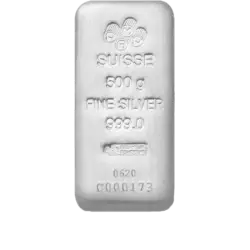
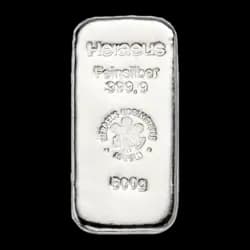
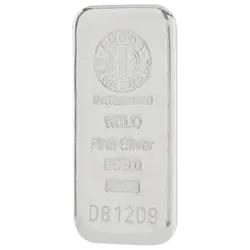
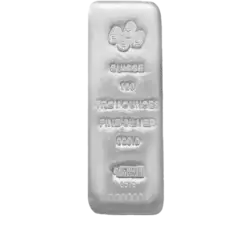

Also discover our VAT-free silver collection and learn more about VAT-free silver here.