
Finding treasure: where to find gold in the UK (and what happens next)

From Welsh mines to Scottish streams, learn the best ways to prospect for gold in the UK, and find out if you can keep your treasure.
From the Californian gold panning that sparked the Gold Rush, to England’s King John losing the Crown Jewels in The Wash, way back in 1216, the allure of finding treasure has captivated people's imaginations for centuries.
So why not step outside and go in search of some yourself?
From where you can pan for gold in the UK to exploring abandoned mines and venturing forth with a metal detector, let’s take a look at the various ways you can still enjoy gold prospecting in the UK (or at least join an organised treasure hunt).
We’ll also delve into the legal aspects of treasure hunting, answering questions like is gold panning legal in the UK, and what happens if you find gold?
So, is there any lost treasure out there waiting for you? Let’s lace up our boots and check out where to find gold in the UK 👀(Or stay firmly on the sofa and explore our easy guide to buying gold.)
Gold panning in the UK
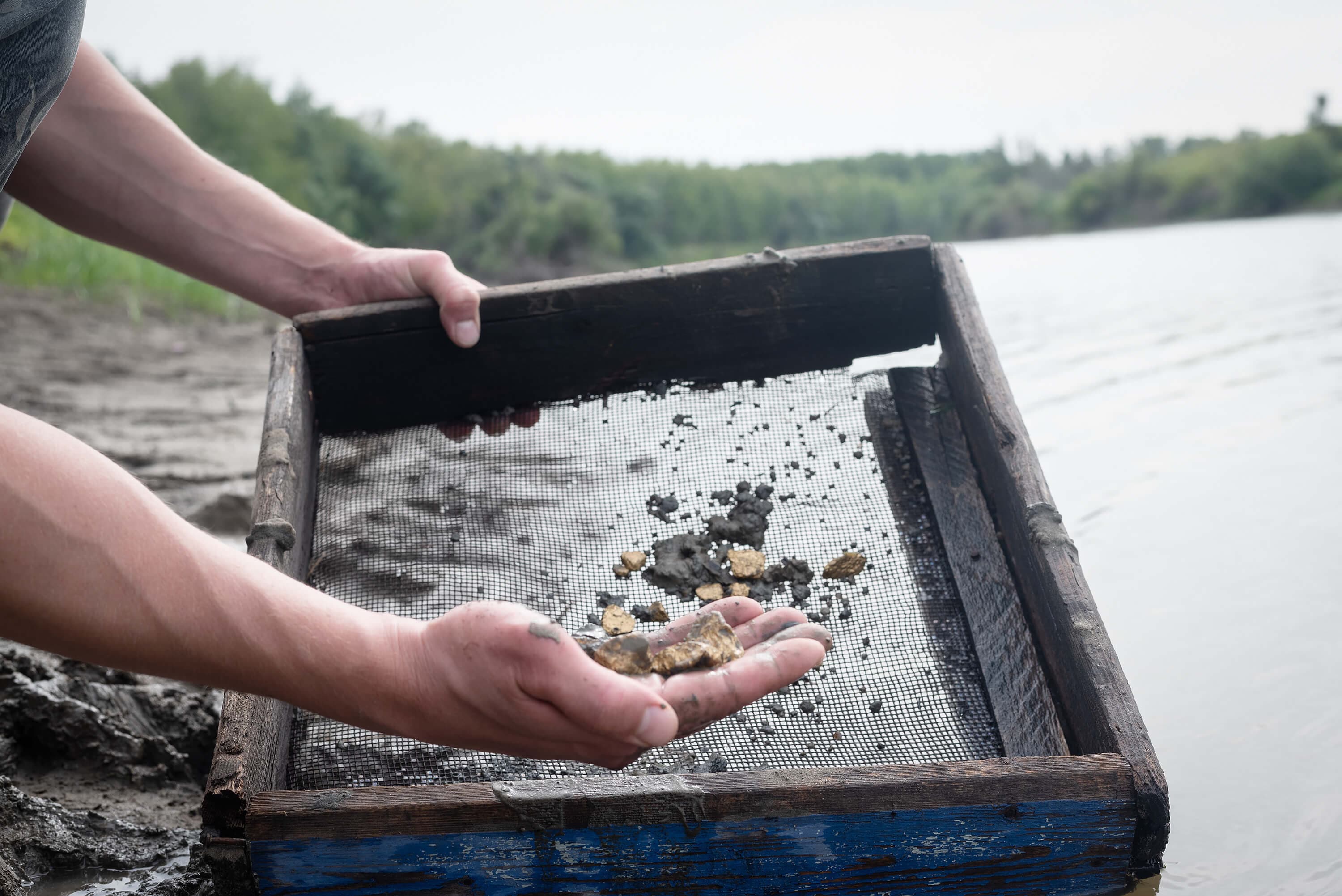
Alluvial gold, consisting of small nuggets and flecks, can be discovered in rivers and streams right across the UK – from Cornwall and Dorset to Snowdonia and western Scotland.
Mining, erosion and other natural processes have exposed these gold deposits to make them accessible to treasure hunters 🙌
Gold panning, also known as gold prospecting, is a popular activity in the UK that requires minimal gold panning kit and expertise.
It simply involves sifting through river sediments in search of those all-important gold particles.
While the chances of striking it rich might be slim, the thrill of the hunt and the sheer joy of being outdoors make gold panning a rewarding hobby.
Just make sure you get permission from the landowner before you start, as technically anything you find belongs to them. And, if you’re panning for commercial purposes, be sure to speak to the Crown Estate. For big finds, the Treasure Act comes into play – read on for more on that.
Where can you pan for gold in the UK?

While gold can be found throughout the UK, certain areas are more promising for panners.
Here are some of the best locations to try gold panning in the UK:
- England People have been finding gold in the Forest of Dean in Gloucestershire for eons, as have the locals in Cornwall, particularly the Camborne area. The region has yielded significant mineral deposits for gold prospectors with mining companies looking to develop a site there as recently as 2010. The Lake District is also well-known for its natural beauty and rich mineral deposits. Blencathra Mountain, Dunmail Raise, and Mungrisdale are popular gold prospecting locations. A bit of gold panning in these areas might well pay off.
- Scotland The famous Douglas Nugget valued at £50,000 was found in a Scottish riverbed, so what else could be waiting under water? Wanlockhead in Dumfries and Galloway offers great opportunities for gold panning but you’ll need to sort the necessary permits (available for the day, week, or year) and follow local regulations. If you’re panning gold for commercial purposes, you’ll need a lease from the Crown Estate Scotland.
- Wales The Dolgellau Gold Belt in Snowdonia has yielded gold for centuries. In Carmarthenshire, the UK’s only known Roman Gold Mine, the Dolaucothi Gold Mines, a prominent gold mine in the UK, provides a unique opportunity to try gold panning under the supervision of trained miners (only open spring and summer). Additionally, the Parys Mountain in Anglesey is currently being considered for potential gold mining sites due to its gold fields.
- Northern Ireland As well as being a spectacular spot to explore, the Mourne Mountains in County Down are said to hold gold, along with the Sperrins, which straddle County Tyrone and County Londonderry. Beware the weather though, especially in winter.
Where can I test my gold-panning skills against the world’s best?
- The World Gold Panning Championships of course! Yes, it exists, and in 2017 the UK played host to the tournament in Moffat, Scotland.
Metal detecting for gold in the UK
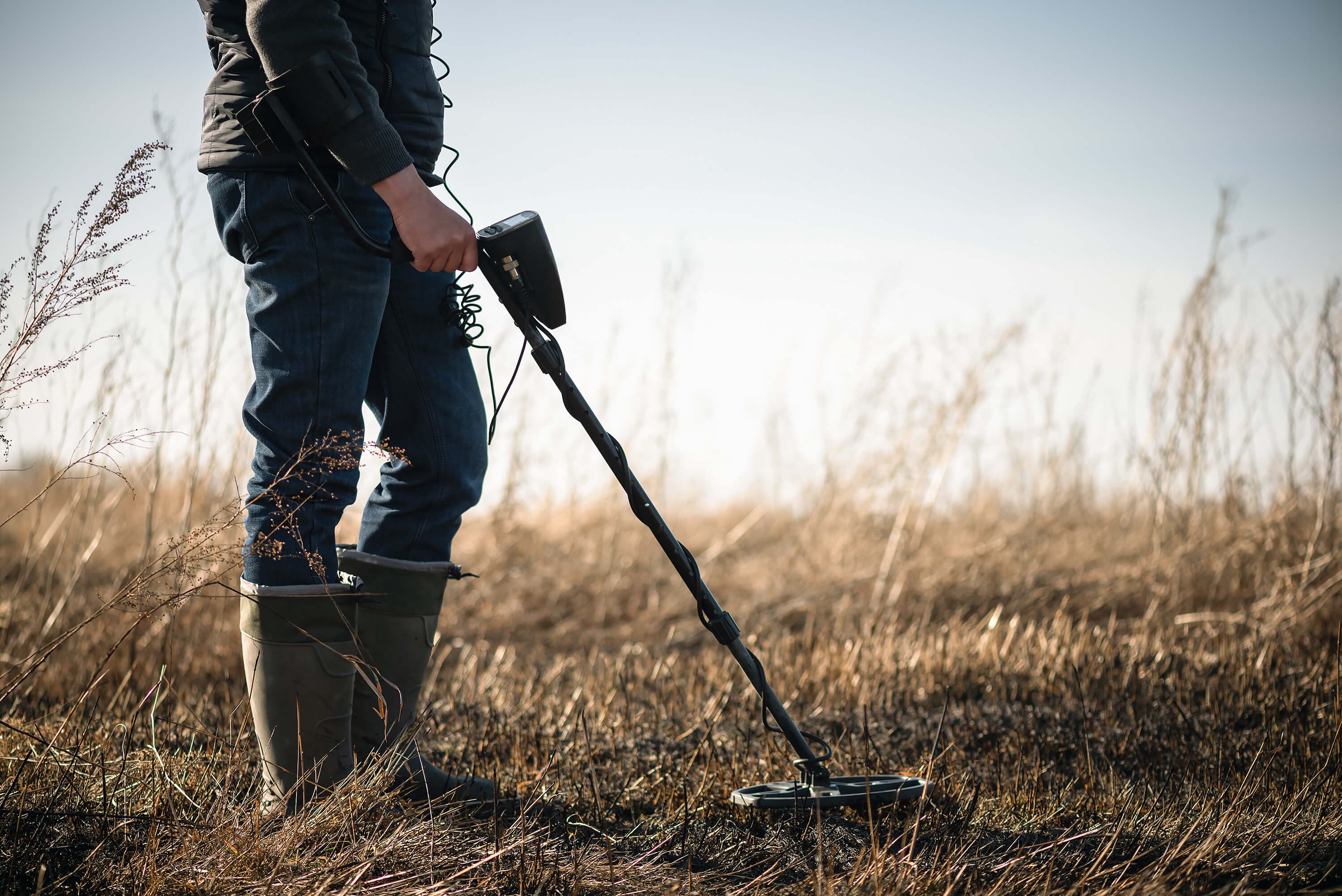
Following treasure hunting shows like the BBC series, The Detectorists, metal detecting is becoming another popular method of treasure hunting in the UK.
With a metal detector, you can search for hidden artefacts, coins, and even gold.
While gold nuggets may not be as common as in other countries, metal detecting and prospecting for gold can still lead you to valuable treasures that have been lost or buried over the years.
When searching for gold with a metal detector, it's important to research areas with a history of gold discoveries or high mineralization.
Learning how to detect gold in the ground and gold panning can be beneficial in this process.
Keep in mind the use of metal detectors is subject to local rules and regulations, so always ensure you have the necessary permissions and follow any codes of conduct based on where you are.
Are there gold mines in the UK?
As well as panning rivers with gold, exploring abandoned gold mines in the UK can be an exciting way to uncover hidden treasures.
While the UK may not be renowned for its gold mines, there have historically been big finds in Tyndrum and Eas Anie in Scotland, to Clogau in Wales.
While it's crucial to prioritise safety and obtain any necessary permissions, these abandoned mines hold the potential for remarkable discoveries.
For those wondering how to dig gold, some mines are set up for tourists such as the Sygun Copper Mine in Beddgelert, Wales which was abandoned in 1903.
What happens if you find gold in the UK?

Now for the important stuff.
Before embarking on any treasure-hunting adventure, it's essential to understand the legal framework surrounding treasure finds in the UK.
The Treasure Act 1996 and the Treasure Act 2023 outline the process of reporting finds and the potential rewards for treasure hunters.
If you stumble upon a significant find, whether it’s a hoard of gold coins or ancient artefacts, it’s crucial to follow the legal procedures and report the discovery to the relevant authorities.
Failure to do so may result in legal consequences. 😬
The key aspects of the Treasure Act 1996
- Anyone who finds ‘treasure’ is legally obliged to report their findings to the local coroner within 14 days.
- The coroner will then determine whether or not the findings constitute treasure.
- If it is classified as treasure then the finder must offer it for sale to a museum.
- The offer price is determined by the Treasure Valuation Committee.
- If a museum is not interested or unable to purchase the item, then the finder can retain the gold for themselves.
Recent treasure finds in the UK
In 2022, coroners in England and Wales received reports of over a thousand treasure finds, the highest number since the implementation of the Treasure Act in 1996.
Norfolk led the counties with the most finds, with 98 of the 1,087.
The number of reported finds has consistently risen since the act's establishment in 1996, with a 20% increase from 2021 to 2022 📈.
The surge in interest in treasure hunting is evident and there is an ongoing eagerness to find gold, driving enthusiasts to explore new areas.
The Staffordshire Hoard, England’s biggest ever gold hoard
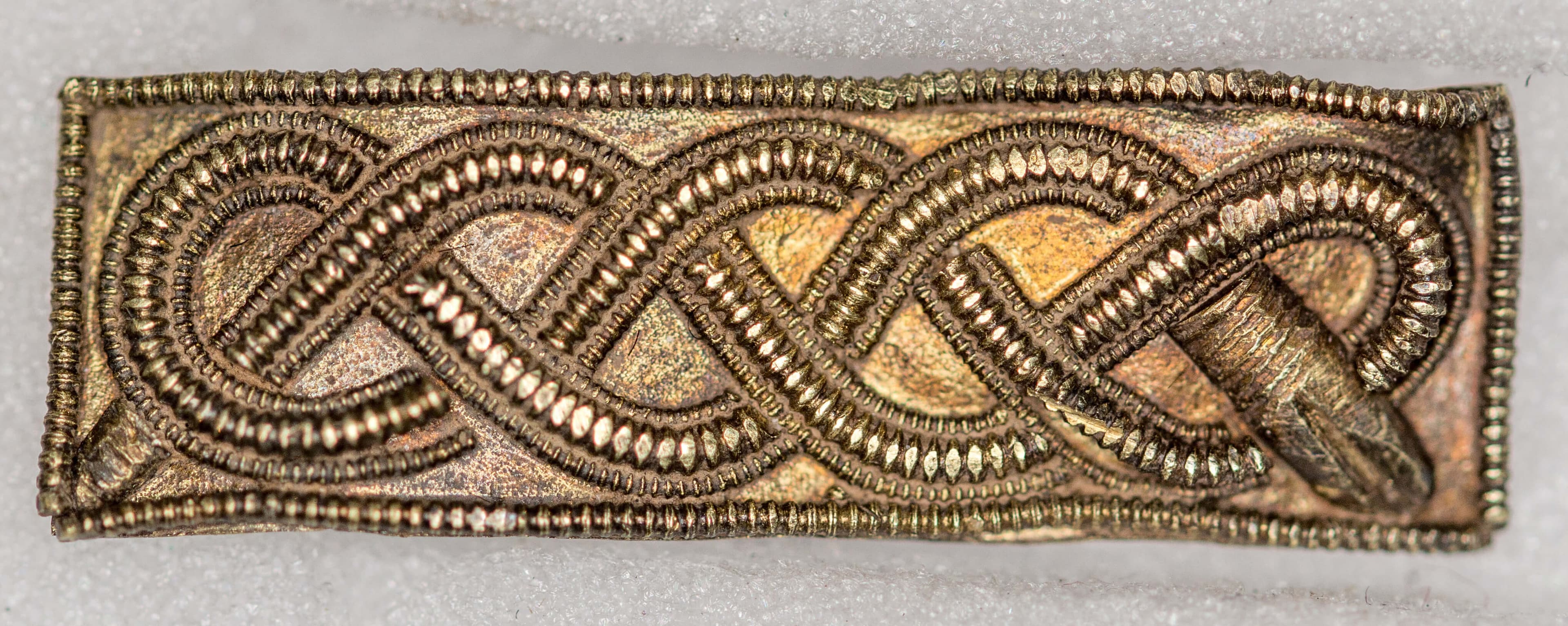
The biggest Anglo-Saxon gold find in Britain, The Staffordshire Hoard was unearthed beneath a Staffordshire farmer's field in July 2009 – and what a sight it must have been.
Comprising over 1,500 items crafted from gold and silver, adorned with precious stones and jewels, this UK treasure was first discovered by amateur metal detectorist Terry Herbert.
Dating back to the 7th Century, it holds a value of £3.285m. An unparalleled gold discovery in the UK.
It just goes to show the rich history and craftsmanship of the Anglo-Saxons, and how the significance of gold resonates through time.
How to prospect for gold in the UK

Prospecting for gold can be exciting, even if the chances of striking it rich may be slim. Here are some tips on how to start gold prospecting in the UK:
- Research potential locations Start by researching potential gold-bearing areas in the UK. Look back through the records, geological maps, and information on historical gold finds.
- Obtain the necessary permissions Before you start prospecting, make sure you have the necessary permissions and permits. Check with local authorities and landowners, along with the Crown Estate, if you’re prospecting for commercial purposes.
- Equip yourself Depending on the type of prospecting you plan to do, you'll need some basic equipment. This may include a gold pan, a metal detector, a sluice box, or even a small dredge. Research and invest in the right equipment before prospecting.
- Learn the techniques Familiarise yourself with the different techniques used for gold prospecting, such as panning, sluicing, and metal detecting. YouTube is a great place to start and good technique can increase your chances of finding gold.
- Join a gold prospecting club Consider joining a local club like the British Gold Panning Association whose experienced members can provide guidance, share tips and tricks, and organise group outings and access to known gold-bearing areas.
- Be patient but persistent Don’t strike it rich instantly? Gold prospecting requires patience and persistence. It may take time to find your first gold flakes, but savour the process and enjoy being outdoors while hunting for treasure.
- Report significant finds Follow all regulations and guidelines regarding gold prospecting in the UK. If you make any significant finds, such as artifacts or valuable nuggets, report them to the appropriate authorities as required by law.
Or, just buy gold from a trusted reseller – easy
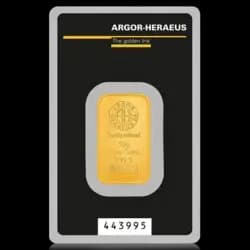
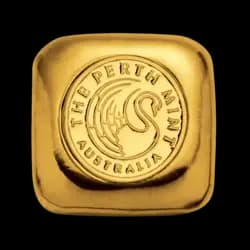

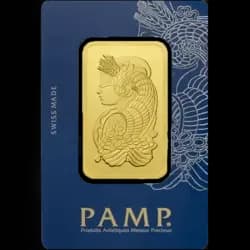

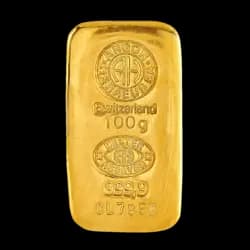

Whilst finding gold in the wild is a thrill, why not stack the chips in your favour and buy gold bars or gold coins from a trusted reseller?
GOLD AVENUE is the official online gold reseller of the MKS PAMP GROUP.
We sell the very best physical products on the market, including Swiss-made PAMP® bars that come directly from our gold refinery.
🥾 No wet feet. No gold pans. Just pure investment gold that you can stack safely in our secure vaults in Switzerland for free 🪙
We'll also buy back your stored gold at the spot price, commission-free.