
Is silver a good investment in 2026?
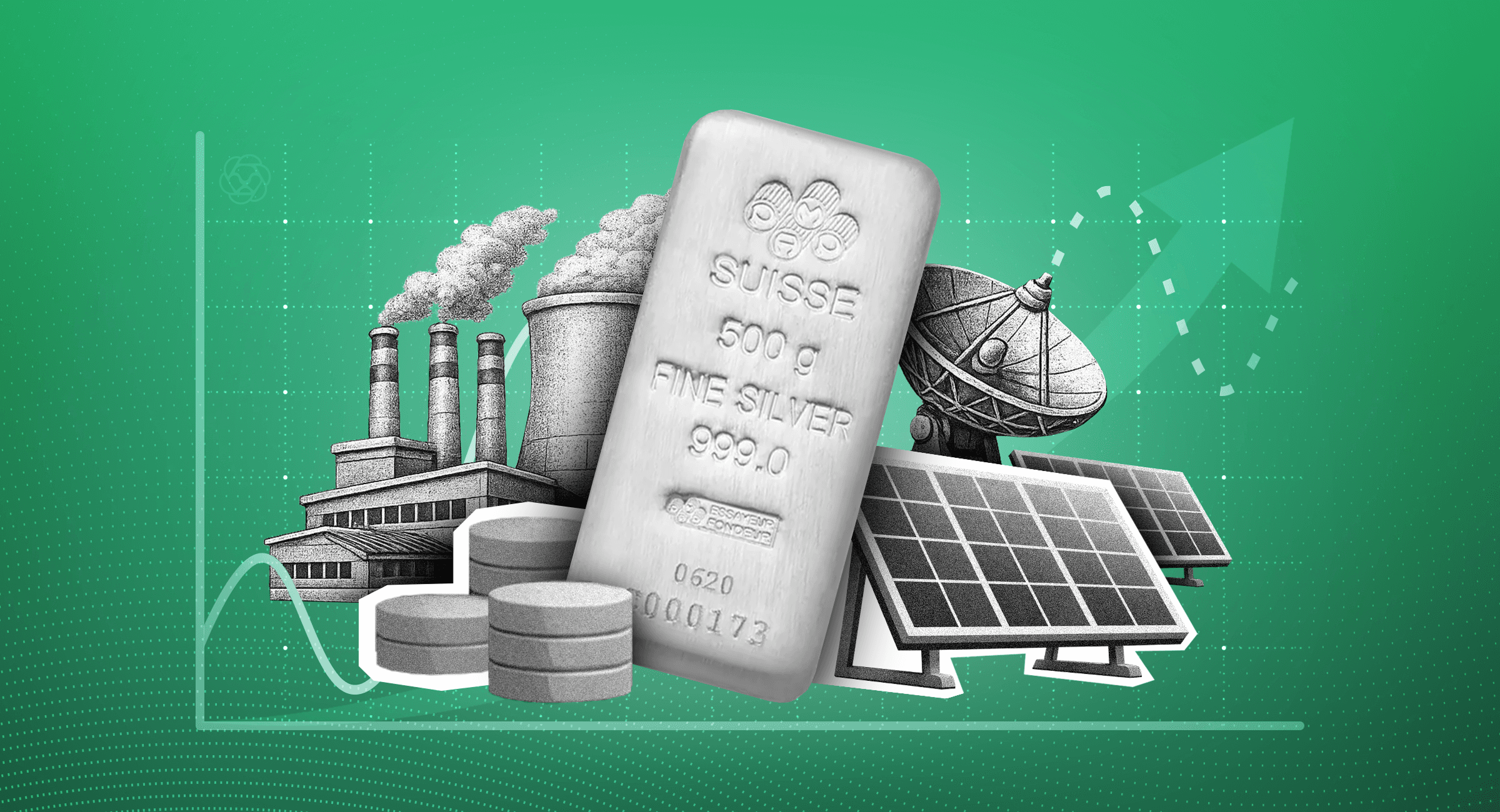
Is silver a good investment in 2026? Discover the latest silver price outlook, market drivers and forecasts, and learn how to invest in physical silver bars and coins.
As 2026 unfolds, investors are increasingly looking for assets that can protect wealth during periods of geopolitical and economic uncertainly, whilst also benefiting from global technological change. For reasons detailed below, silver ticks both boxes.
Traditionally overshadowed by gold, silver has taken on a new strategic importance in recent years. It is not only a precious metal and store of value, but also a critical industrial material used in energy, technology, and infrastructure.
This dual role is attracting renewed attention from investors worldwide.
In this guide, we explore:
- the silver price today
- the main drivers behind silver investment
- silver price forecasts for 2026
- and the best ways to invest in physical silver bars and coins.
Why Investors Are Turning to Silver in 2026
Silver occupies a unique position in the global economy.
Unlike gold, which is primarily held as a store of value, silver has both monetary and industrial demand. This means its price can benefit from economic growth as well as financial uncertainty.
Two major trends are currently driving the silver market.
The Energy Transition Is Driving Record Demand
The global shift toward renewable energy has significantly increased the demand for silver, in part because it is the most electrically conductive metal, making it essential for modern technology.
Key industries driving demand include:
Solar energy
Silver is widely used in photovoltaic panels. Despite ongoing efforts to reduce the amount of silver used per panel, the rapid expansion of solar power globally means total silver consumption continues to grow.
Solar energy is now one of the largest sources of industrial silver demand worldwide.
Electric vehicles
Electric vehicles require significantly more silver than traditional combustion vehicles.
A typical EV contains 25–50 grams of silver, compared with roughly 10–20 grams in conventional vehicles. As EV production expands globally, this sector has become an important contributor to silver demand.
Electronics, AI, and telecommunications
Silver is also critical in:
- semiconductors
- advanced electronics
- 5G and emerging 6G networks
- artificial intelligence data centres.
As digital infrastructure continues to expand, silver’s industrial role is likely to grow further.
Silver Supply Remains Constrained
While demand continues to increase, silver supply has struggled to keep pace.
One reason is that silver is often mined as a by-product of other metals, including copper, lead and zinc. This means production does not easily increase when silver prices rise.
The global silver market has experienced several consecutive years of supply deficits, where demand exceeds new mine production and recycling.
This imbalance between supply and demand is one of the factors supporting the long-term price outlook for silver.
Silver Price Today
Silver has historically been more volatile than gold, but that volatility is often what attracts investors.
In early 2026, silver has traded roughly between $70 and $90 per ounce, after reaching highs around $117 earlier in the year.
Despite these fluctuations, the broader trend shows that silver prices have risen significantly compared with levels seen just a few years ago.
For investors, this volatility can create opportunities during market pullbacks.
Check live silver prices here.
Why Traders Refer to Silver as “Gold on Steroids”
In trading circles, silver is sometimes referred to as “gold on steroids”, a nickname that reflects how its price movements often amplify those of gold.
Historically, when gold rises by 1%, silver often rises by 2–3%. During downturns, the reverse can also occur.
This behaviour is partly due to the smaller size of the silver market, which makes it more sensitive to shifts in investor demand.
As a result, silver tends to:
- outperform gold during strong precious-metal bull markets
- show larger price swings during periods of uncertainty.
For investors seeking higher growth potential, silver can therefore complement gold within a diversified portfolio.
Silver Price Forecast for 2026
Analysts remain broadly optimistic about silver’s long-term outlook, although forecasts vary depending on macroeconomic conditions, industrial demand and monetary policy.
Several major financial institutions expect silver prices to remain well supported through 2026.
Examples include:
- J.P. Morgan (10/2/26) forecasts an average silver price of around $81 per ounce in 2026, citing strong industrial demand from solar energy, electronics and electric vehicles alongside safe-haven investment demand.
- HSBC (7/1/26) expects silver to average roughly $68 per ounce in 2026, raising its outlook after strong market performance and continued supply tightness.
- ING (8/12/25) similarly expects silver prices to average around $55 per ounce in 2026, supported by resilient industrial demand and constrained supply growth
Several factors could support higher prices:
- persistent inflation.
- geopolitical tensions, including the conflicts in the Middle East.
- growing industrial demand as nations seek energy independence via renewables.
- a weakening US dollar.
The Gold-Silver Ratio: A Key Indicator
Investors often track the gold-silver ratio, which measures how many ounces of silver equal one ounce of gold.
Historically, this ratio has averaged 15:1 to 30:1, though it has been significantly higher in recent years.
Today the ratio often remains above 60:1, suggesting that silver may still be undervalued relative to gold.
If the ratio continues to narrow, silver could potentially outperform gold in percentage terms.
Silver vs Gold: Which Metal Is Better?
Both metals serve different purposes in an investment portfolio.
Gold: Stability and wealth preservation
Gold remains the world’s most trusted safe-haven asset. Central banks continue to accumulate gold reserves as a hedge against currency risk and inflation.
Gold is typically chosen for long-term stability and wealth protection.
Silver: Growth and accessibility
Silver offers advantages that gold does not:
- direct exposure to technological growth
- strong industrial demand
- a lower price, making it more accessible to new investors.
For many investors, the two metals work best together as complementary assets.
Advantages & Disadvantages of Investing in Silver
Advantages
Accessible entry point
Compared with gold, silver remains relatively affordable. Investors can purchase physical silver coins or bars with modest budgets.
Inflation hedge
Like gold, silver is a tangible asset that cannot be created by central banks, making it useful for protecting purchasing power during inflation.
Strong upside potential
During precious-metal bull markets, silver has historically delivered higher percentage gains than gold.
Disadvantages
Storage considerations
Silver requires significantly more storage space than gold for the same value. Larger holdings may require professional vault storage.
VAT in some countries
Unlike investment-grade gold, silver is often subject to VAT depending on the jurisdiction.
However, investors can avoid VAT when silver is stored in Swiss freeport vaults, such as those offered by GOLD AVENUE.
Price volatility
Silver prices can fluctuate significantly in the short term, meaning investors should maintain a long-term perspective.
How to Invest in Silver
There are two main ways to invest in physical silver.
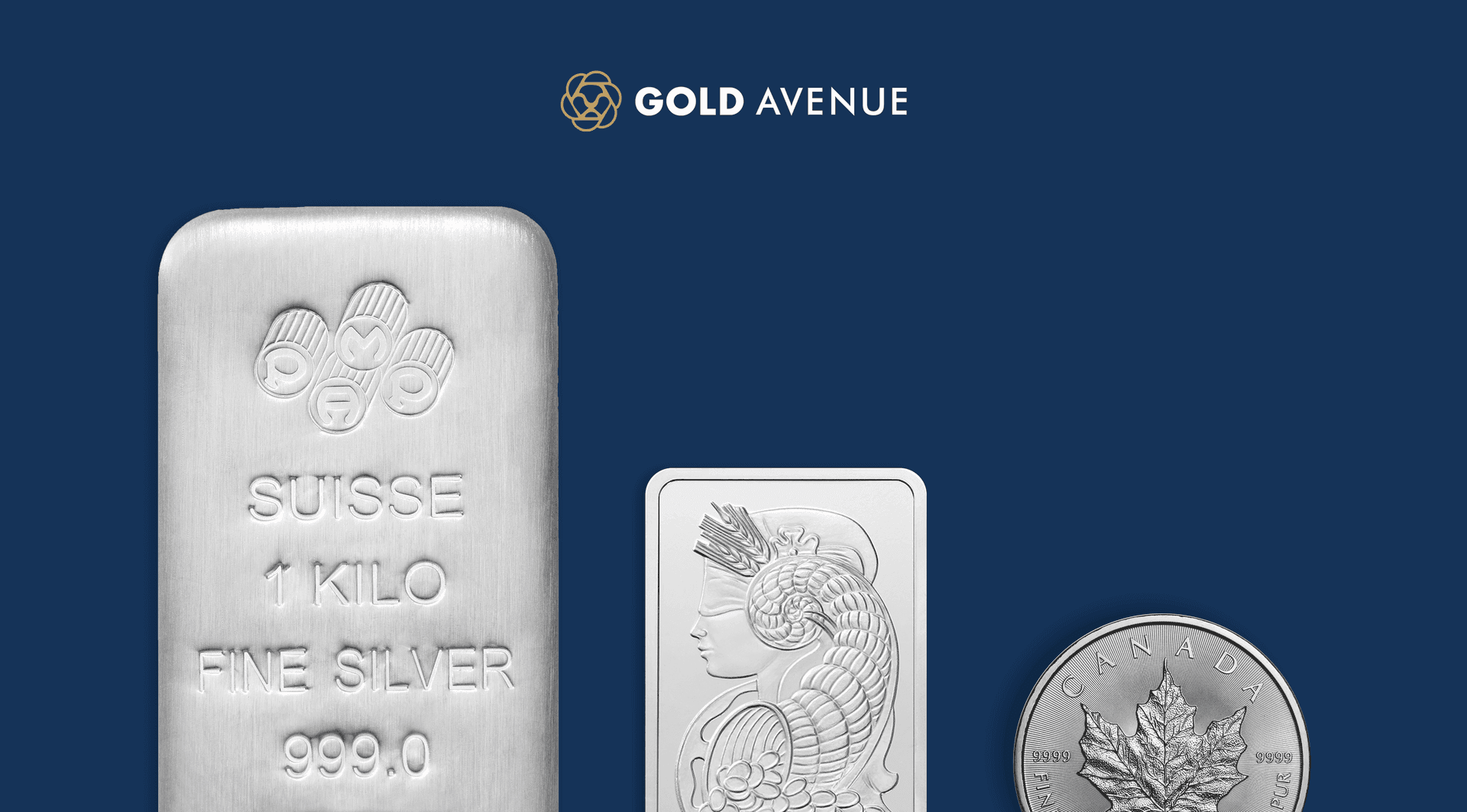
Silver Bars
Silver bars offer the most efficient way to accumulate metal because they generally carry lower premiums than coins.
Common options include:
- small bars (1g–100g)
- 1 kilogram bars, a popular standard among long-term investors.
Silver Coins
Silver investment coins combine precious-metal value with global recognition.
Popular examples include:
- Canadian Maple Leaf
- Britannia from the Royal Mint
- Vienna Philharmonic.
Because these coins are widely recognised, they are easy to buy and sell worldwide.
Storage: An Important Consideration
As precious-metal investments grow, storage becomes an important decision.
Many investors now prefer high-security vault storage outside the banking system, which offers:
- professional security
- insurance protection
- easy liquidity.
Secure storage solutions can also allow investors to buy silver without paying VAT, depending on the location.
Should You Invest in Silver Today?

Silver’s unique role in the global economy makes it particularly interesting for investors today.
It benefits from two powerful trends:
- Growing industrial demand, driven by renewable energy and technology
- Investor demand for tangible assets, especially during times of economic uncertainty.
Because of this combination, silver can play a valuable role in a diversified portfolio.
Key Takeaways
- Silver is both a precious metal and a critical industrial material.
- Demand is being driven by solar energy, electric vehicles, and digital infrastructure.
- Supply constraints have created structural deficits in recent years.
- Silver prices remain volatile but offer strong long-term potential.
- Investors can buy silver through bars, coins, or secure vaulted storage.
Conclusion: Silver’s Growing Role in Modern Portfolios
Silver has evolved far beyond its historical reputation as “poor man’s gold.”
Today it sits at the crossroads of technology, energy, and monetary stability.
For investors looking to diversify their portfolios with tangible assets, silver offers a rare combination of:
- accessibility
- industrial relevance
- and long-term investment potential.
As the global economy continues to transform, silver may prove to be one of the most strategically important metals of the coming decade.