The Golden Secret of Fort Knox

Fort Knox holds more secrets than we will ever know, but the biggest one is: how much gold, if any, is there in America’s most famous bullion bunker?
Fort Knox holds approximately 147.3 million troy ounces of gold (around 4,580 tonnes), representing more than half of total US gold reserves. While the US government states the gold is secure and accounted for, limited public access and rare independent audits mean the question of whether it has been fully verified continues to attract global attention.
Few places in the world capture the imagination like Fort Knox. For decades, it has been shorthand for absolute security, referenced in everything from novels and films to political speeches and everyday language. But behind the myth lies a serious and much-searched question: how much gold is in Fort Knox and is it really still there?
What is Fort Knox?
Fort Knox is a U.S. Army installation in Kentucky, best known as the home of the United States Bullion Depository and the country’s most famous gold vault. It is located about 35 miles (56 km) south of Louisville, spanning Bullitt, Hardin, and Meade counties.
How big is Fort Knox?
Total military base: ~109,000 acres (170 square miles)
Bullion depository site: ~42 acres
The Fort Knox gold vault sits inside what is effectively a self-contained military city, adding a crucial outer layer of protection.
Why was Fort Knox built?
The gold depository was constructed in 1936 and first used in 1937, during a period of global instability following the Great Depression. It was chosen because it already had a strong military presence, was geographically protected inland, and was less vulnerable to coastal or aerial attack. The gold was transported there in 1937 via a heavily guarded nine-car train under military protection.
How secure is Fort Knox?
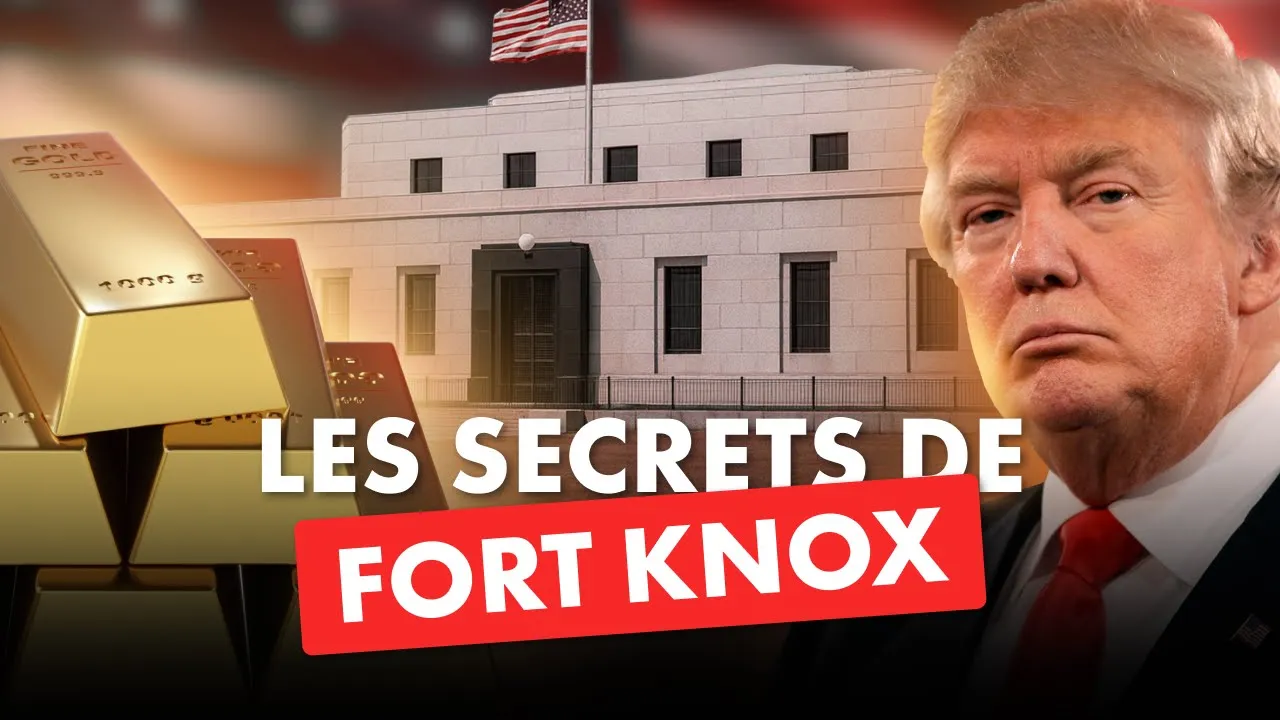
The Fort Knox gold vault is widely considered one of the most secure places on Earth.
Layer 1: the military base
A 109,000-acre active U.S. Army base provides the first line of defence.
Layer 2: perimeter security
Fenced perimeters with razor wire
Surveillance systems and motion sensors
Alarm systems and controlled access points
Armed patrols
Layer 3: the building
Constructed from granite, reinforced concrete, and steel, designed to resist drilling, explosions, and forced entry.
Layer 4: the vault
Vault door: 20+ tons
Time lock: up to 100 hours
No single person has full access
Gold stored in separate locked compartments
Who guards Fort Knox?
Security of the Fort Knox gold reserves combines the U.S. Mint Police and U.S. Army personnel. This layered structure brings together financial protection and military defence.
How many people work at Fort Knox?
Base population: 20,000+ personnel
Vault access: restricted to a very small number of authorised individuals
Exact operational details remain confidential, reinforcing the secrecy around the Fort Knox gold reserves.
How much gold is in Fort Knox?
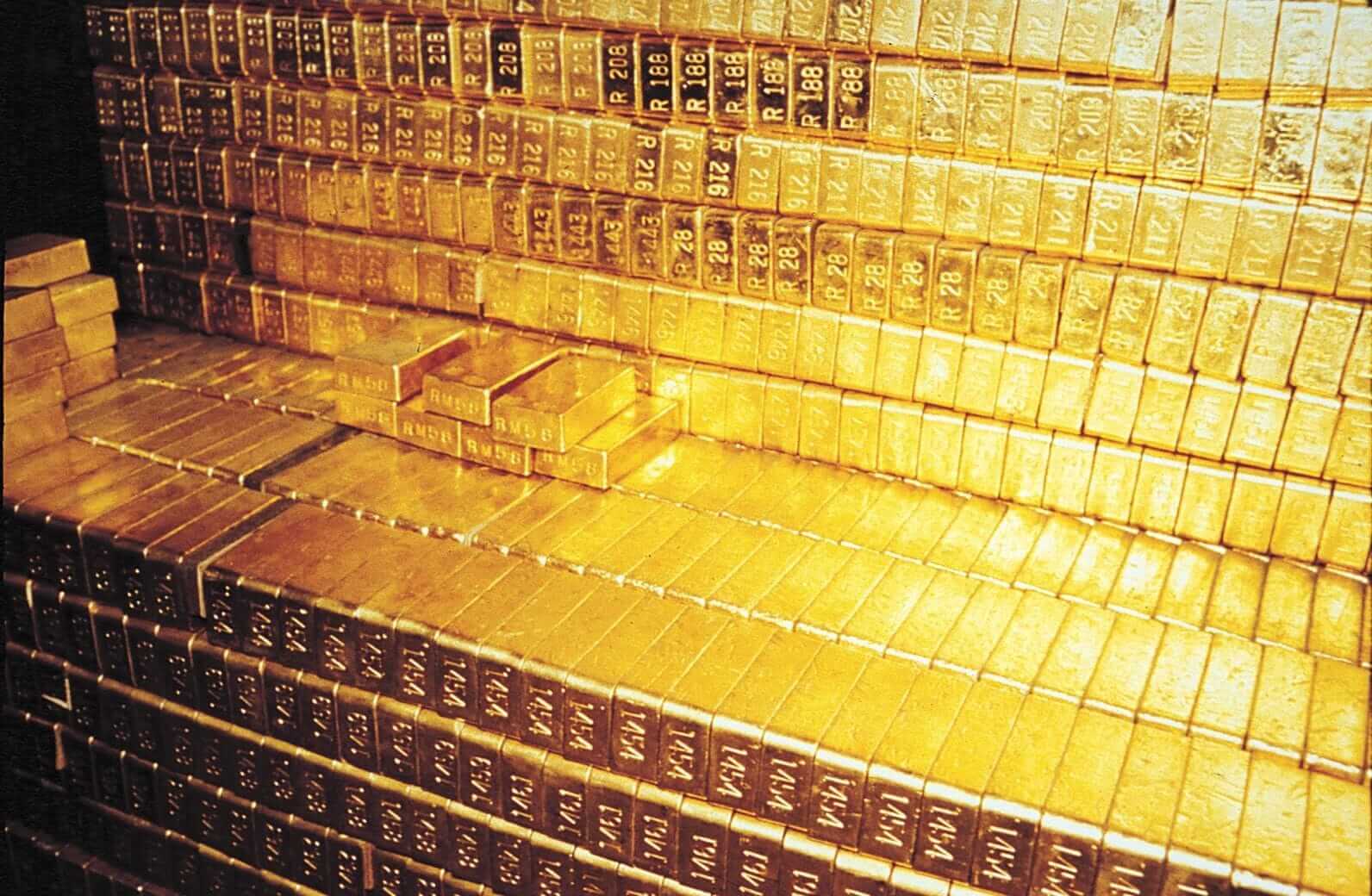
This is the key question and one of the most searched globally.
Fort Knox holds approximately 147.3 million troy ounces of gold, or about 4,580 tonnes, making it one of the largest concentrations of physical gold in the world.
How does that compare to total US gold reserves?
Total US gold reserves: ~8,133 tonnes
Stored at Fort Knox: more than half (~56%)
Other storage locations include West Point Bullion Depository and Denver Mint. So when people ask where is the US gold stored, Fort Knox is the largest single site, but not the only one.
How many gold bars are in Fort Knox?
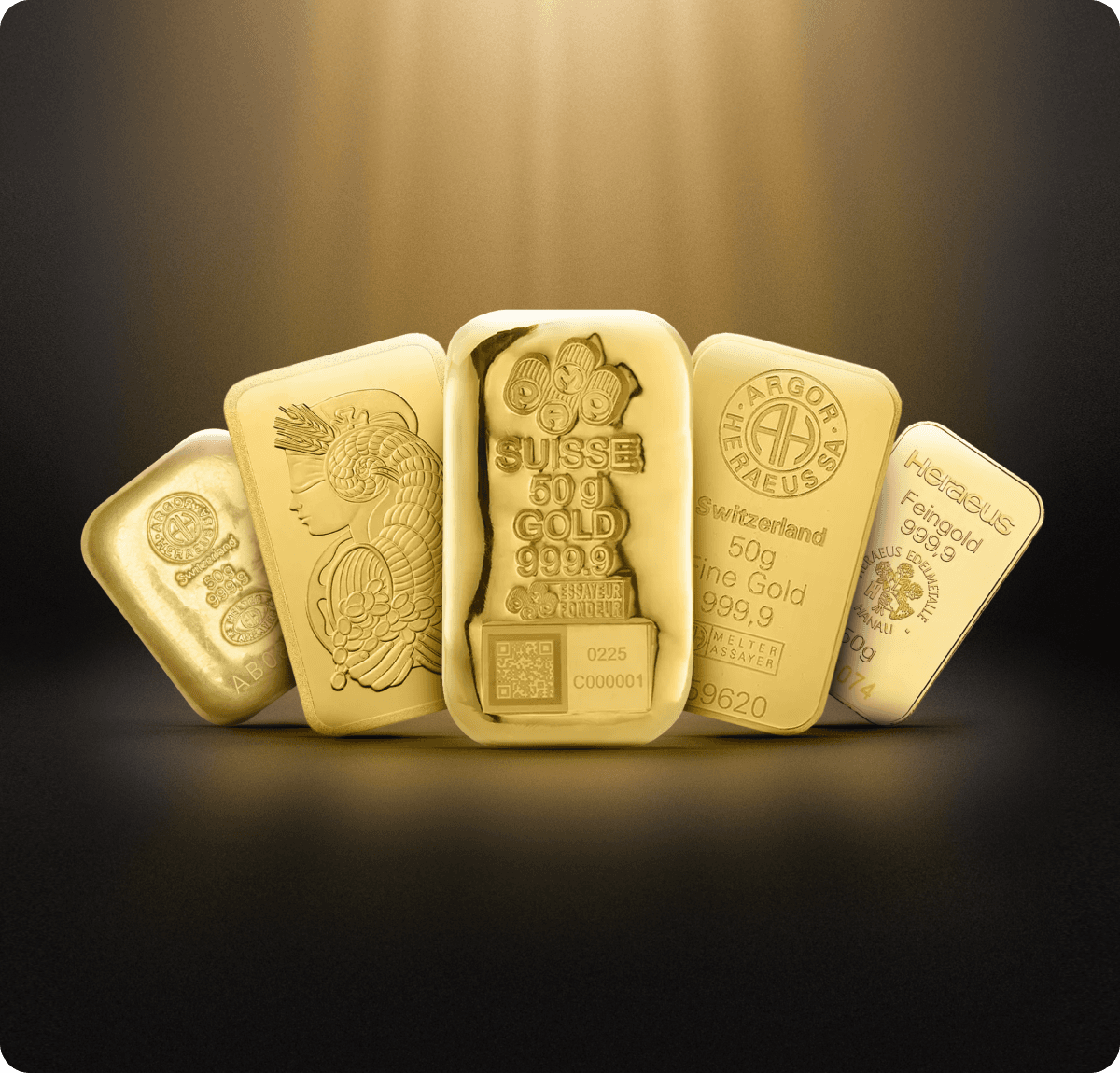
A standard gold bar weighs about 400 troy ounces (~12.4 kg). Based on this, the Fort Knox gold reserves equate to approximately 368,000 gold bars.
What is Fort Knox gold worth today?
Officially, US gold is valued at $42.22 per ounce, a historic accounting price. At current market levels, Fort Knox gold is worth approximately €600 billion+, while total US gold reserves exceed €1 trillion. This highlights the enormous strategic importance of Fort Knox gold reserves.
Is the gold in Fort Knox real?
The US government maintains that all Fort Knox gold is present and accounted for. However, full independent audits are rare and access to the Fort Knox gold vault is extremely restricted. This has led to ongoing speculation.
Common theories include gold being replaced with tungsten bars, secret sales or leasing, or market manipulation involving US gold reserves.
Can Fort Knox be audited?
The question “can Fort Knox be audited?” has returned to the spotlight in recent years.
In 2025, calls for a modern, transparent audit increased. Donald Trump suggested opening the vault, while Elon Muskproposed a live-streamed inspection. Meanwhile, Scott Bessent confirmed inspections had taken place. Despite this, debate continues due to limited transparency around Fort Knox gold reserves.
Is it possible to visit Fort Knox?
No. Fort Knox is not open to the public.
Only a few individuals have ever entered the Fort Knox gold vault, including Franklin D. Roosevelt in 1943 and Steven Mnuchin during a 2017 visit. Even these visits were tightly controlled.
What else is stored in Fort Knox?
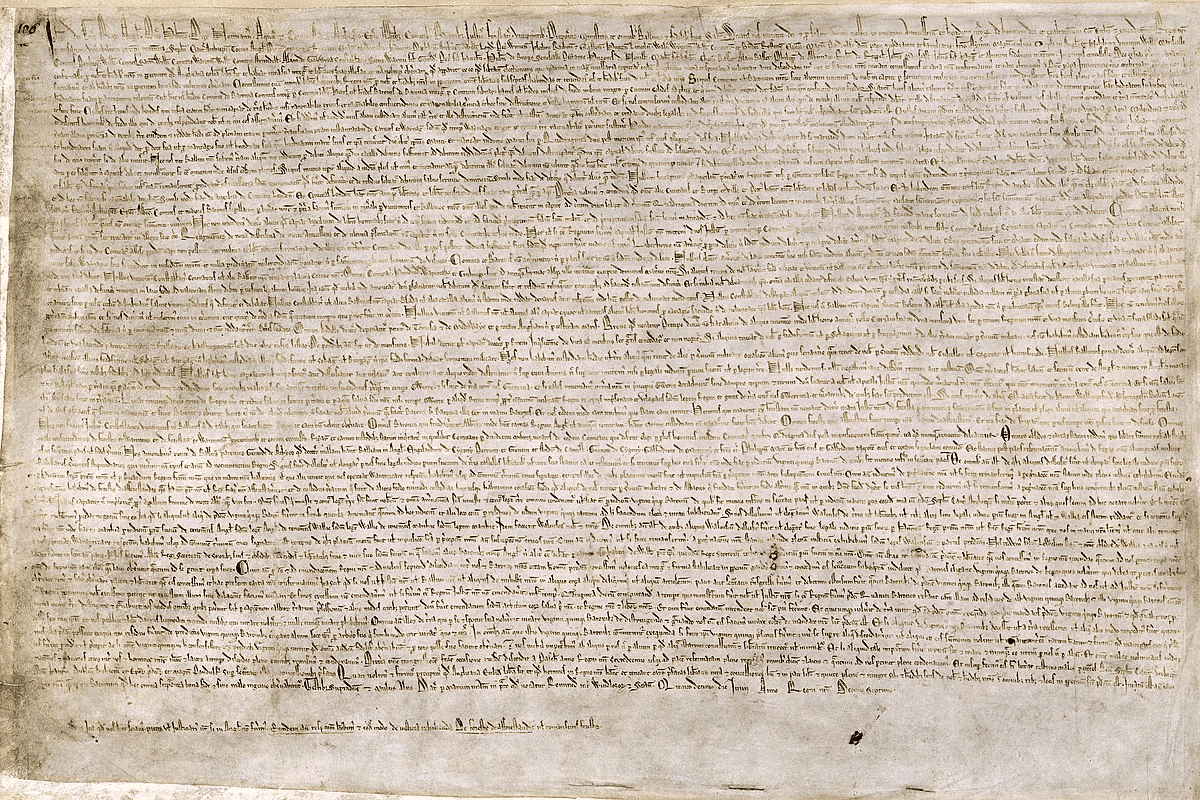
Fort Knox has safeguarded historic treasures, including the Magna Carta, the United States Constitution, the United States Declaration of Independence, and the United States Bill of Rights. These were stored there during World War II after the Attack on Pearl Harbor. The vault has also held strategic reserves such as morphine sulphate.
Fort Knox in popular culture: how it became the global symbol of ultimate security
Fort Knox is more than just a gold vault, it’s a cultural idea. Few financial institutions have captured the public imagination quite like Fort Knox. Beyond storing a large share of US gold reserves, it has become a global shorthand for absolute security and immense wealth, appearing in novels, films, music, and everyday language for decades.
The turning point: Ian Fleming, James Bond, & Goldfinger (1959)
The defining moment came with Ian Fleming’s 1959 novel Goldfinger, later immortalised in the 1964 film adaptation Goldfinger. In the story, Fort Knox is not just a location, it is the ultimate prize: a seemingly impenetrable vault holding the financial backbone of the United States.
That narrative transformed Fort Knox into a global symbol: if something is “as secure as Fort Knox,” it is virtually impossible to breach.
Following Goldfinger, Fort Knox became a literary shortcut for something valuable, hidden, and heavily protected. In Catch-22 by Joseph Heller, it appears within a satirical critique of institutions and power. In The Crying of Lot 49 by Thomas Pynchon, it helps evoke hidden systems and unseen structures. In White Noise by Don DeLillo, it stands among symbols of American authority and infrastructure.
Modern thrillers extended the metaphor beyond gold. In Digital Fortress by Dan Brown, Fort Knox is used to describe supposedly unbreakable encryption. In The Bourne Identity, based on the novel by Robert Ludlum, Fort Knox-style comparisons are used for secure identities, accounts, and intelligence systems.
Fort Knox has also entered musical language, used by artists as varied as Noel Gallagher, Erasure, Sigrid, and Kendrick Lamar. Across genres, the meaning is consistent: Fort Knox represents wealth, security, and something out of reach.
By the mid-20th century, Fort Knox had entered everyday speech, particularly in the UK. It became common in television, journalism, political commentary, and comedy sketches. Much like saying something is “the best thing since sliced bread,” calling something “like Fort Knox” became a universally understood comparison.
Why Fort Knox became such a powerful symbol
Fort Knox works so well in storytelling because it instantly conveys maximum security, immense wealth, state power, and secrecy. That combination is rare and explains why Fort Knox continues to appear in culture more than 80 years after it was built.
What can investors learn from Fort Knox?
Fort Knox reflects a deeper truth: gold still matters. The United States holds the world’s largest gold reserves (~8,133 tonnes), and gold remains a core financial asset. Systems like the Bretton Woods system were built around it.
For private investors, gold can help preserve wealth, diversify risk, and provide stability in uncertain markets.
Final thought
Fort Knox isn’t just a vault, it’s a benchmark. To reach the gold, you would need to enter a 109,000-acre military base, pass multiple security layers, and breach a 20-ton vault door. Which is why, nearly a century later, Fort Knox still defines ultimate security. And why the question continues to resonate: is the gold in Fort Knox really there?